.png)
.png)
Stone Veneer Installation: Drystack vs. Grout Methods
Understanding the Difference and What’s Best for Your Home
by Rachel Lyon, Editorial Director for Direct From The Designers
Including stone as part of your home’s interior or exterior design is a great way to add visual interest and value, and it also gives you a lot to consider. You have to choose a product and how you’d like it installed. It’s not just a matter of shape, size, and color, because all those aspects of stone can create wildly different final pictures when applied using different methods. Here’s how drystack and grout applications compare, so you can install stone the best way for your design goals.
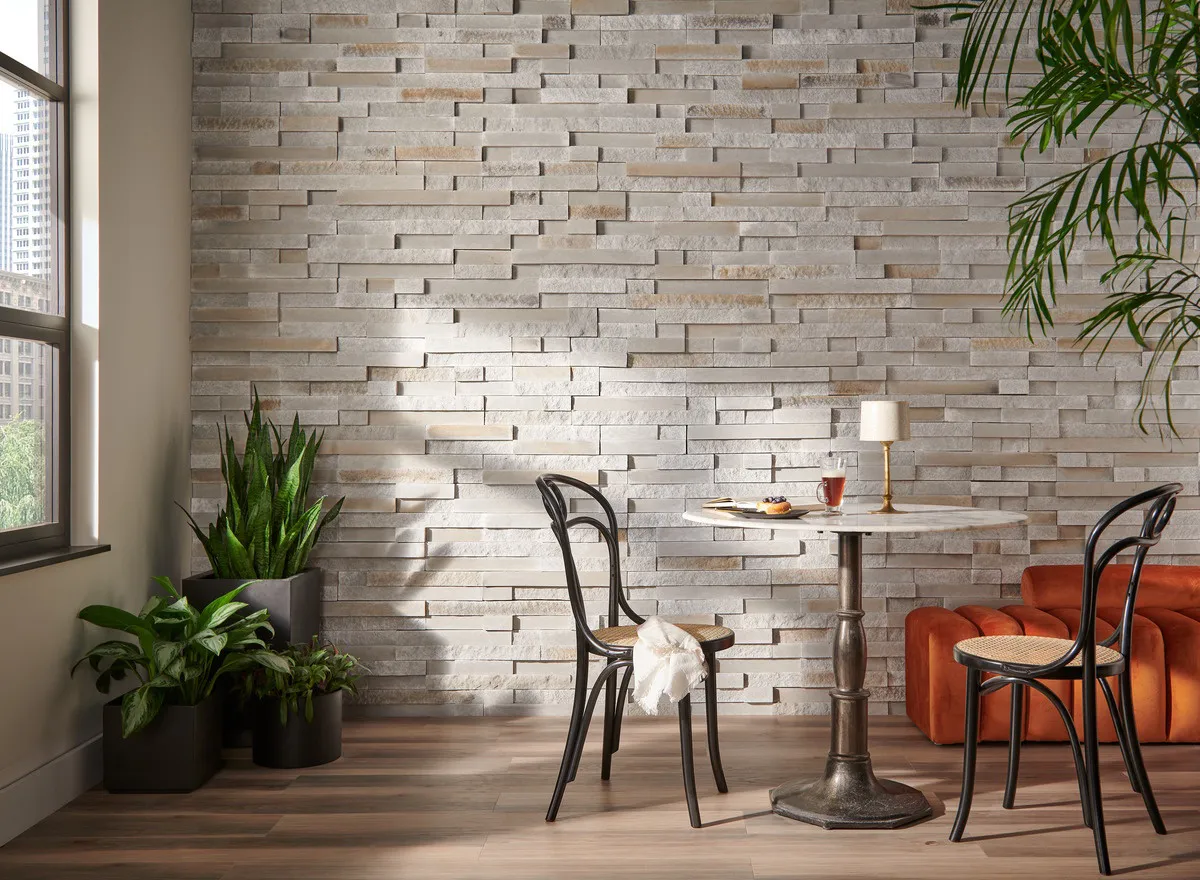
Drystack Stone
Drystack stone is heavily favored for modern, contemporary, and transitional designs, but it actually has quite a long history. We’re talking millennia! Ancient people would take stone from the environment and stack it using an interlocking technique for stability. Without mortar between the pieces, a drystack wall could shift and settle when the land beneath it did, and it also allowed water to run right through, so moisture wouldn’t get trapped and threaten its structural integrity through freeze-thaw cycles. Some drystack walls from the Neolithic age still stand today, proving just how durable this simple method can be.
Now, drystack stone does not stand alone—it’s applied to existing walls built with modern construction techniques—but you still won’t see any grout between the pieces. So, you can create an incredibly rustic or sleek application depending on the type of stone you choose! Need something for a mountain or lake house? There are plenty of rugged yet stackable stone profiles that offer tons of variation with natural gaps and shadows. Perhaps you want a clean-cut look for a contemporary scheme? You won’t have any trouble finding precisely shaped pieces that stack together tightly.
Adaptability isn’t the only reason why so many homeowners choose drystack stone. Many prefer it because it offers predictable results—you don’t have to consider the grout variable when selecting a product online or in-store. If you like the look of a product shown with drystack installation, you know it’ll be easy to recreate for your own home!
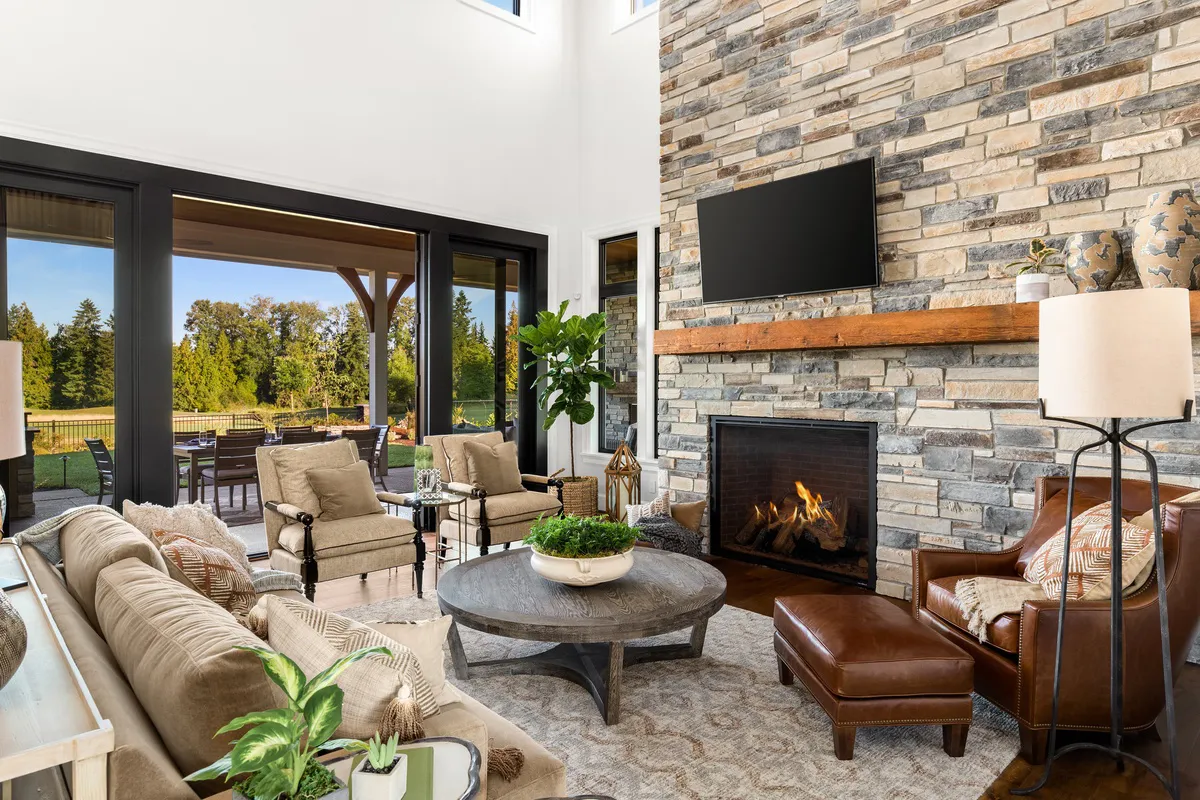
Stone with Standard Grout
Stone with grout is often considered the default or happy medium application style. This method attaches the stone to the wall with mortar and then also fills the spaces between the pieces with grout. The grout line can be relatively thin for stone with precise edges or up to half an inch thick to fill in around rustic shapes. You may also hear this installation method referred to as wetstack to differentiate it from the drystack alternative.
Adding grout to stone physically and visually bonds the application together to create a more unified and solid-looking wall. This deliberately crafted appearance is favored for many traditional home styles because it provides an elegant finish compared to the rougher look that the same stone would create if drystacked. Using grout also allows you to make the stone your own—you can downplay or accentuate the grout with your choice of color and thickness and create a totally unique appearance compared to others who use the same product. Some homeowners also prefer to visually break up the stone to help it tie into their other design decisions. As you can imagine, applying stone with standard grout gives you more to think about, and creates more potential outcomes.
Beyond style considerations, there’s one main thing to keep in mind if you choose to install stone with grout: it will cost more than a drystack application with the same product. The grout itself is fairly inexpensive, but applying it will take more time and expertise. So, make sure to mention whether or not you want grout when you get estimates from installers!
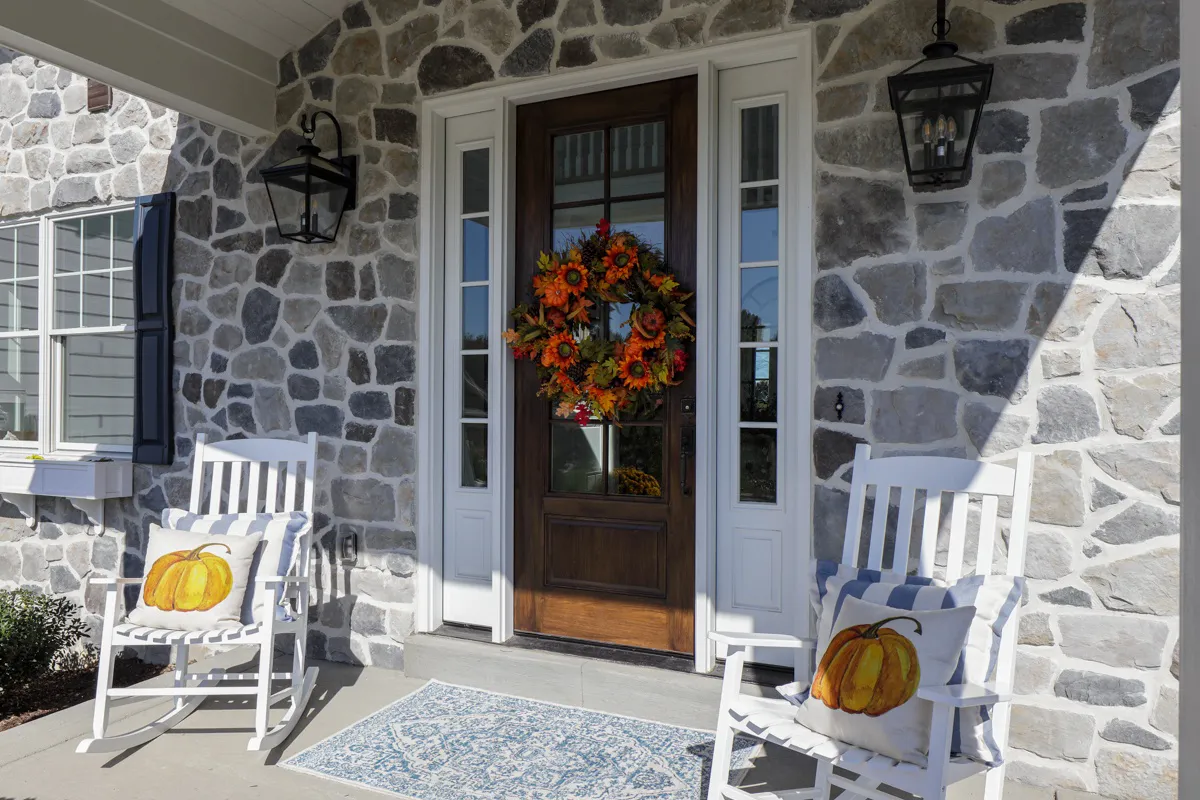
Stone with Overgrout
Nothing says grout has to be limited to the spaces between stones. In fact, overgrout stone is actually pretty popular for traditionally inspired and rustic designs—like Mediterranean and colonial homes—and you’ll even see it in some more contemporary spaces that want to double down on natural texture while still delivering a light and bright appearance.
When you choose an overgrout application, the grout is applied with a heavy hand that completely fills the gaps around the pieces and extends over the edges of the stones, too. The grout can cover a little or a lot and be smooth or rough to tailor the look, and it often matches the overall color of the stone—like you’d see in historical homes built using materials from the surrounding environment. You’ll also see plenty of overgrout stone that uses white or light-colored grout that brightens the application and creates a more updated rustic impression. There’s so much variability with overgrout that you should show your installer inspiration images to ensure you’re both on the same page from the start!
Whatever sort of stone you have in mind for your home, Cultured Stone is sure to have great veneer options for your design vision. Their collection includes a variety of large format, ledge, ashlar, and irregular stone types in a full range of beautiful color blends. Take a look at their inspiration gallery and you’ll see just how adaptable their products are across different architectural styles and aesthetics, and how different they can look when installed with drystack versus grout methods. Ready to see the possibilities for your own home? Find a local dealer today!
BROWSE HOME PRODUCT ARTICLES
- Creating a Spa-Like Master Bathroom »
- Designing a Water-Efficient Bathroom »
- Design a Modern Bathroom »
- View All Bathroom Articles »
- Building a New Home »
- Building a Duplex »
- Finding the Right Home Builder »
- View All Building Tips Articles »
- Adding the Right Columns»
- Decorative Touches for Your Interior»
- Shutters for Every Architectural Style »
- View All Columns & Millwork Articles »
- How to Use Specialty Laminates »
- Decorative Touches for Your Home's Interior
- View All Countertops and Surfaces Articles »
- What Goes Into a Great Deck? »
- Decorative Touches for Your Home's Interior »
- View All Decking Articles »
- Choosing Glass for Your Entry »
- Stylish Personas for Your Front Door »
- Using Sidelites and Transoms »
- View All Door Articles »
- Choose Siding for Your Region »
- Get the Most Out of Exterior Paint »
- Mixing Siding to Define Your Exterior »
- View All Exterior Articles »
- Finding the Right Home Builder »
- The Appeal of Small House Plans »
- Choosing the Perfect Floor Plan »
- View All Finding a Home Plan Articles »
- Colorful Flooring for Your Home »
- Designing With Different Widths»
- Chic, Neutral, Gray Flooring »
- View All Flooring Articles »
- Garage Doors That Add Curb Appeal »
- Caring for Your Garage Doors »
- Benefits of Insulated Garage Doors »
- View All Garage Door Articles »
- Reclaimed Products for Your Home »
- Building a Green and Stylish Home »
- Benefits of Building with SIPS »
- View All Green Building Articles »
- Cool Gadgets for Your New Home »
- Creating a Hi-Tech Home »
- Efficient Gifts for New Homeowners »
- View All Home Electronics Articles »
- Improve Your Home's Air Circulation »
- How to Improve the Air Circulation in Your Home »
- View All HVAC Articles »
- Bedrooms Designed for Sleep »
- Selecting a Fireplace for Your Home »
- Crafting a Luxurious Master Suite »
- View All Interior Design Articles »
- Design the Perfect Outdoor Space »
- Dive into a Beautiful Pool »
- Design a Sizzling Outdoor Kitchen »
- View All Outdoor Living Articles »
- Apps to Help You Pick Paint Colors »
- Create the Perfect Mood with Paint »
- How to Read the Color Wheel »
- View All Painting & Decorating Articles»
- Creating a Spa-Like Master Bathroom »
- High-Impact Kitchen Upgrades »
- Creating a Water Efficient Bathroom »
- View All Plumbing Fixtures Articles»
- Cladding That Complements Your Exterior »
- Reasons to Consider Prefinished Siding »
- View All Siding & Cladding Articles»
- All About Solar Powered Skylights »
- Natural Lighting for the Dark Corners of Your Home »
- Design a Better Bedroom with Skylights »
- View All Skylight Articles»
